
Italy fits ancient ruins, Renaissance masterpieces and Alpine peaks into one rail network, and a fast train links Rome and Florence in about an hour and a half. Most first-time visitors start with Rome, Florence and Venice, then add the Amalfi Coast or the lakes. That classic loop is popular for good reason, but the country rewards a few detours.
This list is built for a first trip of 7 to 14 days. It covers the best places to visit in Italy in three groups: five cities, four places for nature and two cities that many visitors skip. At the end you will find a sample route and a table that compares all 11 places.
The goal is simple: see the highlights without losing days on transfers. Every place here is reachable by train, bus or ferry from one of Italy’s big cities.
Best Cities to Visit in Italy
Italian cities feel very different from each other, even when they sit two hours apart by train. Rome and Florence are about history and art, Venice is about water, Milan is about style and Naples is about street life.
1. Rome
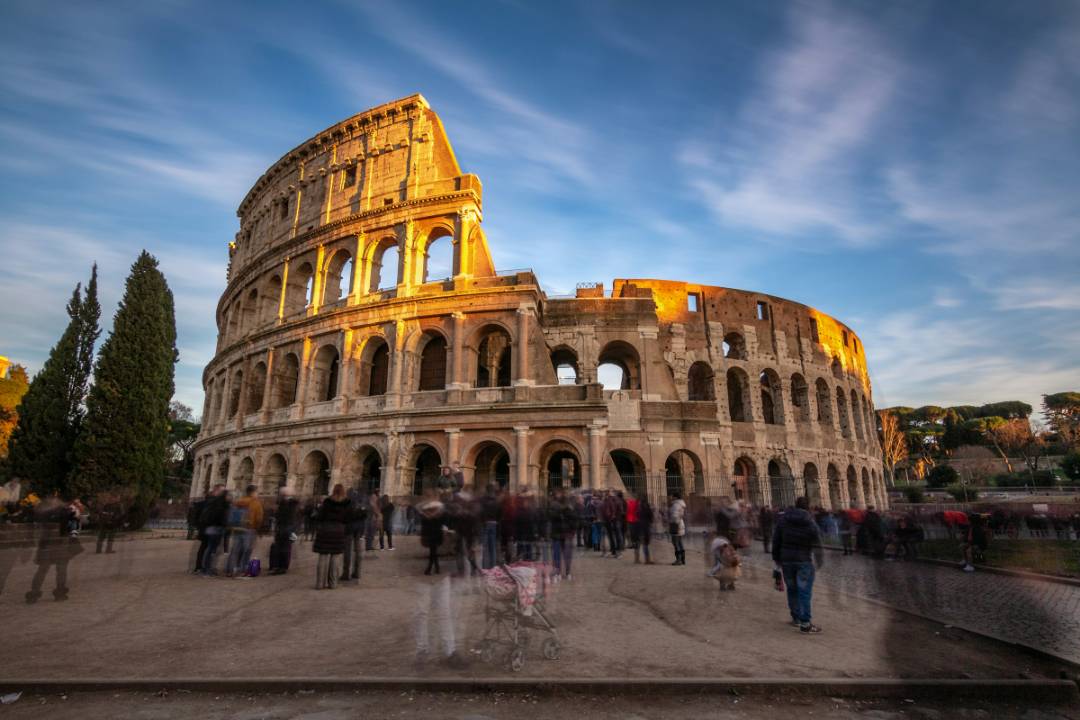
Rome stacks almost three thousand years of history into a walkable center. Start at the Colosseum and the Roman Forum, which share a combined timed ticket, then walk to the Pantheon and Piazza Navona. Since February 2026, stepping down to the basin of the Trevi Fountain costs €2, while the view from the square stays free, as explained on the official Rome tourism site.
Give Rome at least three days, one of them for the Vatican Museums and St. Peter’s Basilica. Book the Colosseum and the Vatican online, because walk-up tickets often sell out in high season. For more ideas, see our list of the Top 10 Most Interesting Places in Rome.
2. Florence
Florence is the city of the Renaissance, compact enough to cross on foot in half an hour. The Uffizi Gallery holds Botticelli’s Birth of Venus, and in 2026 a standard ticket costs €25, with a cheaper afternoon ticket after 16:00 listed on the official Uffizi tickets page. Climbing Brunelleschi’s dome of the cathedral needs a timed booking too.
Two days are enough for a first visit. Fast trains from Rome take about an hour and a half, and Florence also works as a base for day trips to Siena and Pisa. For sunset, walk up to Piazzale Michelangelo on the south bank of the Arno.
3. Venice
Venice has no cars, so you move by foot and by vaporetto, the water bus on the Grand Canal. See St. Mark’s Square and the Doge’s Palace early in the morning, then get lost in the quieter Cannaregio and Castello districts. On peak days in spring and summer 2026, day visitors paid an access fee from €5 booked online, while overnight guests were exempt.
Stay at least one night, because the city changes completely after the day-trippers leave. Trains from Florence take about two hours and arrive at Santa Lucia station right on the Grand Canal. A ride on the islands of Murano and Burano fits into a half day.
4. Milan
Milan is Italy’s business and fashion capital, and it surprises visitors who expect only shopping. Walk on the rooftop terraces of the Duomo, then see Leonardo’s Last Supper, which you can view only in small timed groups booked weeks or months ahead. The Brera and Navigli districts are best in the evening.
One or two days are enough. Milan is the main rail hub of the north, about two and a half hours from Venice and three hours from Rome by fast train. It is also the easiest gateway to Lake Como.
5. Naples
Naples is loud, chaotic and generous, and it is the place to eat pizza where it was born. Walk the narrow Spaccanapoli street through the old town, a UNESCO site, and see the National Archaeological Museum, which keeps treasures from Pompeii. A slice of pizza fritta from a street window costs a few euros.
Fast trains from Rome take just over an hour. The Circumvesuviana train reaches the ruins of Pompeii in about 40 minutes, so two days in Naples cover the city and the ancient site. Keep valuables close in crowded streets and on local trains.
Most Beautiful Places in Italy for Nature Lovers
Italy’s landscapes change from sea cliffs to glaciers within a day’s travel. The four places below cover the coast, the Riviera, the mountains and the lakes.
6. The Amalfi Coast
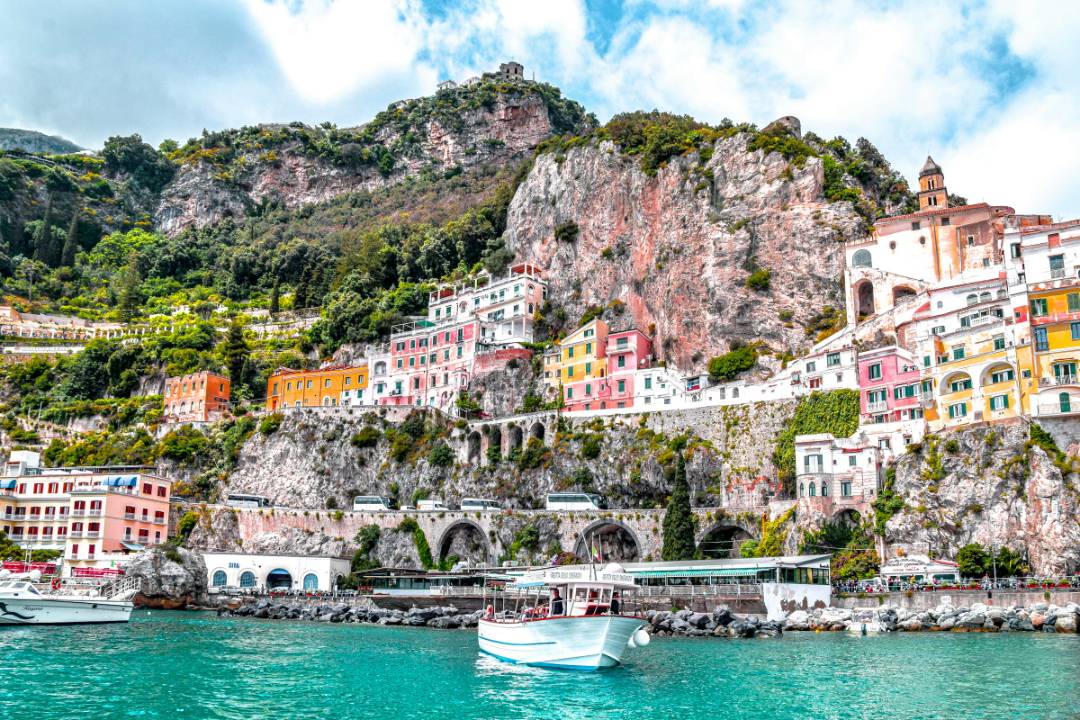
The Amalfi Coast is a 50 km road of cliffs, lemon terraces and pastel towns above the sea. Positano is the photogenic one, Amalfi has the cathedral and the ferry hub, and Ravello sits high above with gardens and views. The Path of the Gods trail gives the best panorama of the whole coast.
Driving here is stressful, and car access is limited in summer, so most visitors use SITA buses and ferries from Salerno or Sorrento. Plan two or three days and pick one town as a base. Our guide on how to get around the Amalfi Coast without a car explains the buses and boats.
7. Cinque Terre
Cinque Terre is five fishing villages on the Ligurian coast, linked by a railway line and hiking trails. Vernazza and Manarola are the most photographed, and the famous Via dell’Amore cliff path between Riomaggiore and Manarola has reopened with timed entry slots. The Cinque Terre Card covers the trails and, in its train version, the local trains.
Regional trains run between La Spezia and Levanto every few minutes in summer and stop in every village. One full day is enough for a taste, two days let you hike a longer section. Go in May, June or September to avoid the worst crowds.
8. The Dolomites
The Dolomites are jagged limestone peaks in Italy’s northeast, a UNESCO site and a paradise for hiking in summer and skiing in winter. The walk around the Tre Cime di Lavaredo, the lake of Braies and the Seceda ridge above Ortisei are the classic sights. In summer, driving to Lago di Braies in peak hours and up the toll road to the Tre Cime requires an online booking.
Trains reach Bolzano, and from there buses and cable cars take you into the valleys. Give the Dolomites at least two or three days. A car helps, but regional buses cover the main trailheads from June to September.
9. Lake Como
Lake Como is a deep Alpine lake framed by mountains and old villas. Bellagio, Varenna and Menaggio face each other across the water, and short ferry rides connect them. Villa del Balbianello and the gardens of Villa Carlotta are the best-known visits.
Regional trains from Milan reach Varenna in about an hour, which makes the lake an easy day trip. One night is better, so you can see the villages after the tour groups leave. Spring and early autumn are the most pleasant seasons.
Must See Places in Italy Beyond the Big Names
These two cities rarely make first-time lists, yet both add something the famous names do not. They show everyday Italy with fewer crowds.
10. Bologna
Bologna is Italy’s food capital, the home of tagliatelle al ragù, mortadella and tortellini. Its porticoes, almost 40 km of covered walkways, are on the UNESCO list, and the longest one climbs to the hilltop San Luca sanctuary. The two leaning medieval towers are closed to climbers during restoration, so the Clock Tower on Piazza Maggiore makes a better viewpoint.
Bologna sits between Florence and Venice on the fast rail line, about 40 minutes from Florence, so it is easy to add to a route. One night is ideal for a long dinner. The Quadrilatero market streets near Piazza Maggiore are the place for lunch.
11. Matera
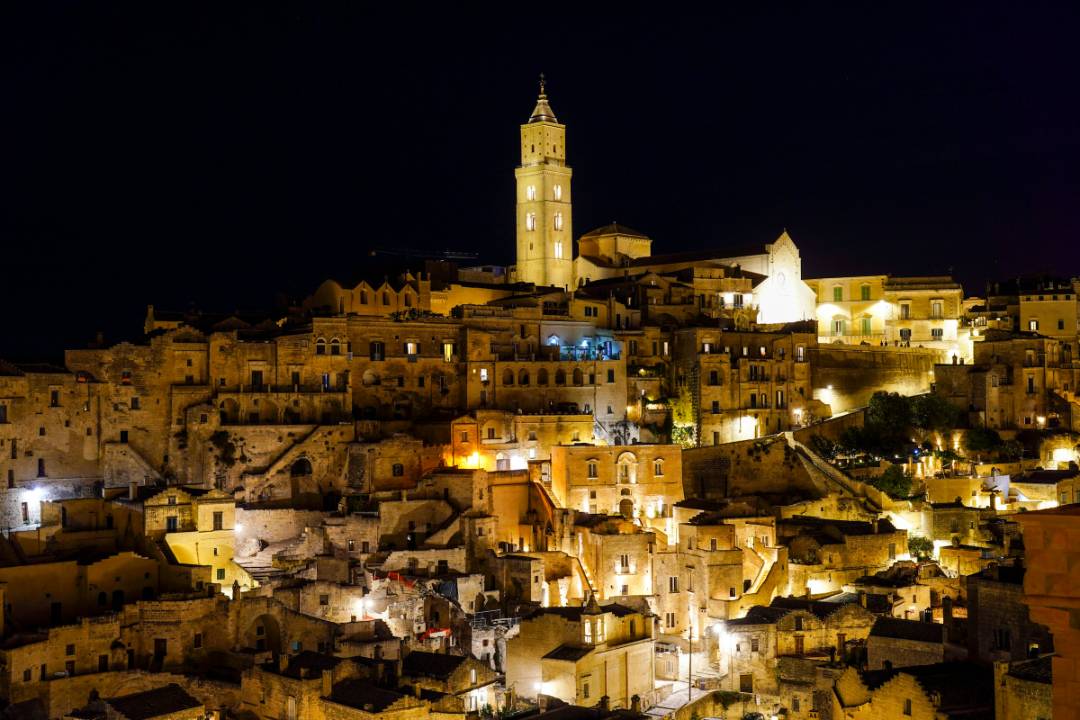
Matera in the south is one of the oldest continuously inhabited towns in the world. Its Sassi districts are houses and churches carved into the rock of a ravine, once abandoned and now a UNESCO site with cave hotels and restaurants. Walk the paths of Sasso Caveoso at sunset, when the stone turns golden.
Matera has no main-line train station, so most visitors arrive by local train from Bari in about an hour and a half. It works best as two days in a trip through the south with Naples or Puglia. If you enjoy places like this, our list of Italy’s most beautiful small towns and villages goes further.
How to Plan a Route Between Italy’s Top Places
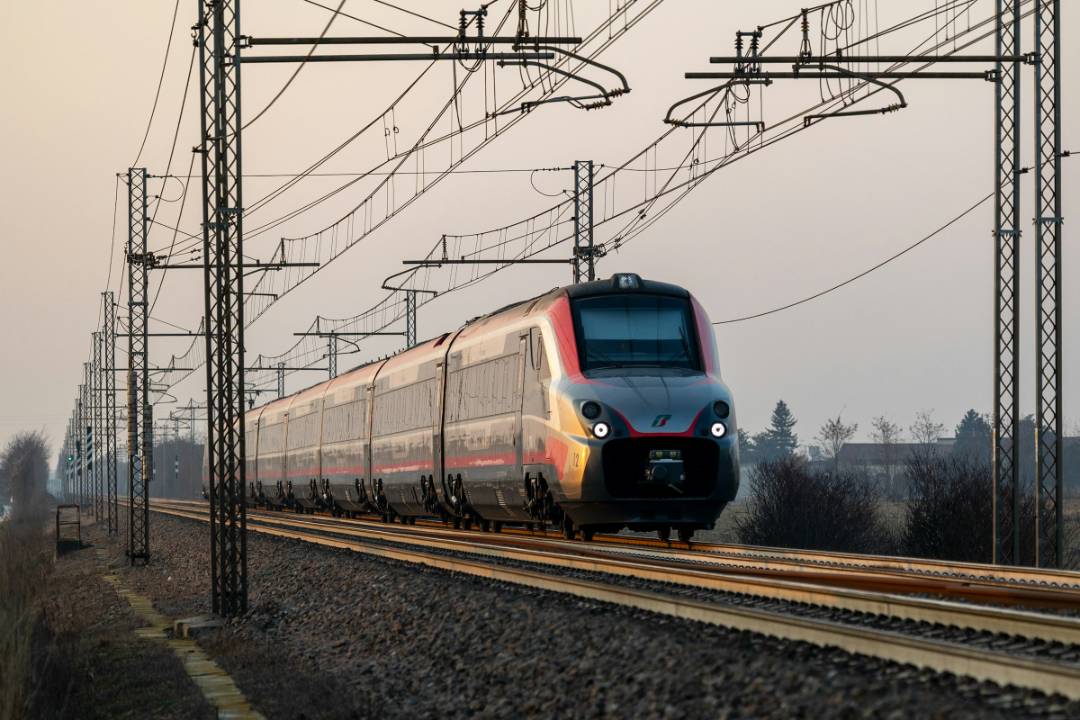
With seven days, follow the classic line: three days in Rome, two in Florence and two in Venice. Fast trains connect all three, so you never need a car. Book high-speed seats ahead on Trenitalia for the lowest fares.
With 10 to 14 days, add the north or the south. In the north, continue from Venice to Milan and Lake Como, or head into the Dolomites. In the south, go from Rome to Naples, Pompeii and the Amalfi Coast, and add Matera if you have two more days.
If you travel without a car, the Dolomites and Matera need the most planning, because buses run less often and connections take time. Everywhere else, trains, ferries and city transport are faster than driving.
On checkout days, many of these moves start when the hotel wants your room at 11:00 and the train to Florence or Naples leaves in the evening. Instead of dragging a suitcase over Rome’s cobblestones, leave it at Qeepl luggage storage in Rome and spend the last hours sightseeing. Storage starts from €4.39 per day, and you book and pay online in a couple of minutes.
For the best weather, plan your trip for April to June or September to October. July and August are hot in the cities and crowded on the coast, while winter is quiet and cheaper except in the ski areas. For month-by-month detail, see our guide to the best time to visit Rome.
Italy Tourist Attractions Compared
If your trip is short, pick Rome, Florence and Venice, then add one place that matches your style: the Amalfi Coast for the sea, the Dolomites for the mountains or Bologna for food. Three or four places seen well beat eleven seen from a train window. The table below compares all 11 places at a glance.
| Place | Best For | Days Needed | Getting There From Rome | Must See |
|---|---|---|---|---|
| Rome | Ancient history, art | 3 | Base city | Colosseum, Vatican Museums |
| Florence | Renaissance art | 2 | Direct train, about 1.5 h | Uffizi Gallery, cathedral dome |
| Venice | Canals, islands | 1 to 2 | Direct train, about 4 h | Grand Canal, St. Mark’s Square |
| Milan | Design, Leonardo | 1 to 2 | Direct train, about 3 h | Duomo rooftops, Last Supper |
| Naples | Pizza, street life | 2 | Direct train, just over 1 h | Spaccanapoli, Pompeii |
| Amalfi Coast | Sea views, hiking | 2 to 3 | Train to Naples or Salerno, then bus or ferry | Positano, Path of the Gods |
| Cinque Terre | Coastal villages | 1 to 2 | Train via La Spezia | Vernazza, Via dell’Amore |
| Dolomites | Mountain hikes | 2 to 3 | Train to Bolzano, then bus | Tre Cime, Lago di Braies |
| Lake Como | Lake villages, villas | 1 | Train via Milan | Bellagio, Varenna |
| Bologna | Food, porticoes | 1 | Direct train, about 2 h | Porticoes, San Luca |
| Matera | Cave town | 1 to 2 | Train via Bari | Sassi, Sasso Caveoso |