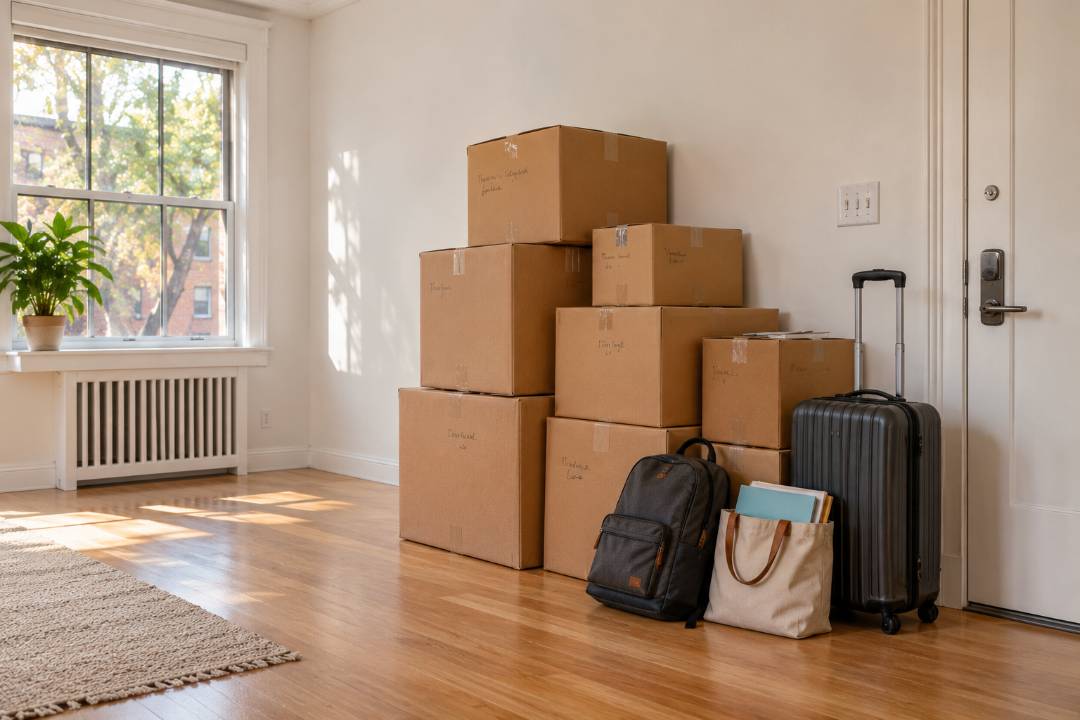

Moving day rarely lines up perfectly with the rest of your life. The lease ends on the 30th, but the new place is not ready until the 12th. The buyers want to close early, or the new apartment is half the size of the old house. In all of these cases, your belongings need somewhere to wait.
Storage during a move does not mean the plan has failed. Used well, it buys you time and keeps your things safe while the details fall into place. Here is how to tell when you need it, which type fits your situation and what to check before you sign anything.

When You Need Storage During a Move
A Gap Between Move-Out and Move-In
This is the most common reason. Closing dates shift, renovations run long and landlords set move-in dates that do not match your old lease. Even a gap of a few days means a truckload of furniture with no address.
If you know about the gap in advance, plan storage from the start rather than scrambling the week before. Many local movers, Octopus Moving among them, offer moving and storage services, so the same crew can pick up your things, hold them and deliver them once the new place is ready. That saves you from loading and unloading everything twice.
Downsizing
Moving from a house to an apartment often means more furniture than floor space. Storage gives you a few months to decide what to keep, sell or pass on to family, without making those calls in the rush of packing week.
Set a deadline, though. Without one, a temporary unit can turn into a permanent bill for things you no longer use.
Selling or Staging a Home
Buyers respond to rooms that look spacious and uncluttered. Moving extra furniture, family photos and seasonal items out before listing photos are taken helps the house show better, and those items are already packed when it sells.
Renovations and Temporary Relocations
A kitchen remodel, a work assignment in another city or a military deployment can all mean months away from your furniture. In these cases you need longer-term storage and a clear idea of how you will get your things back, sometimes to a different address than the one you left.
Types of Storage to Consider
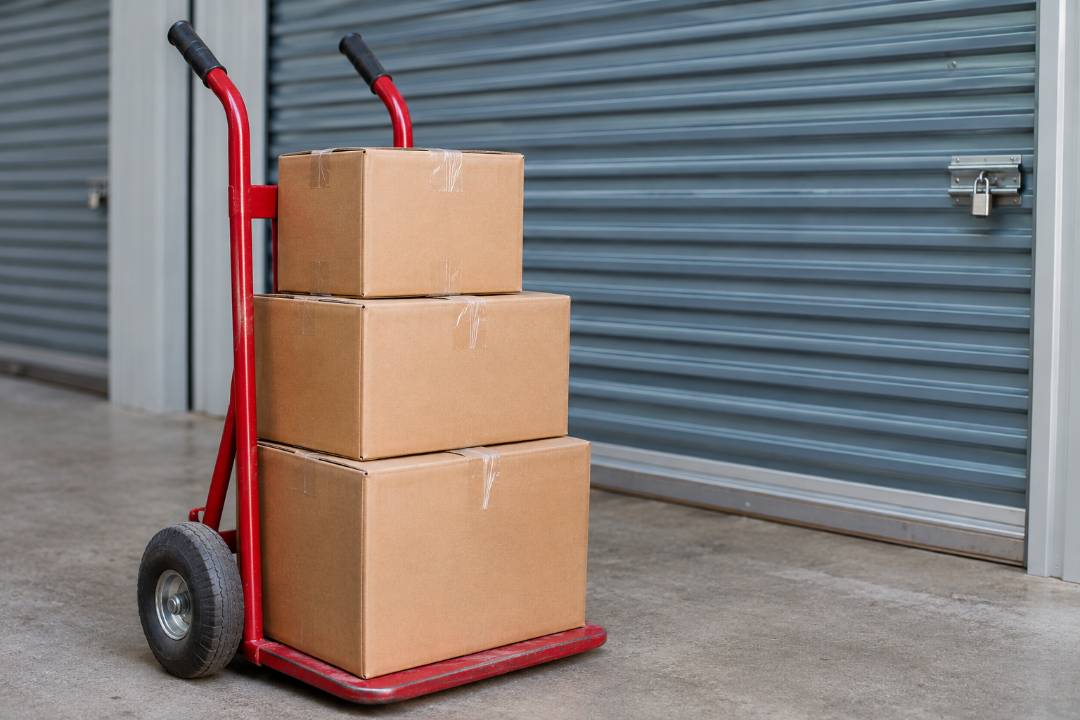
Self-storage units. You rent a unit, bring your things and keep the key. This works well when you want to get to your belongings often or plan to store them for many months.
Portable storage containers. A container is dropped at your home, you fill it at your own pace and it is picked up and kept at a facility or shipped to your new address. It suits people who want more time to pack.
Mover-provided storage. The moving company stores your belongings in its own warehouse, often in sealed crates or vaults, and delivers them when you are ready. For interstate moves this is often called storage-in-transit. It is the most hands-off option, since your things are not unloaded and reloaded by different people.
For furniture made of wood or leather, electronics, artwork, documents and musical instruments, ask about climate control. Our guide to climate-controlled storage explains when it is worth it.
How to Choose a Storage Option
Before you compare quotes, write down three things: how long you need storage, how often you will need access and what you are storing. Then use this checklist:
- Duration. A two-week gap and a six-month relocation call for different solutions.
- Access. Will you need winter clothes or work files while your things are in storage?
- Location. A facility near your new home makes the final delivery easier.
- Climate control. Important in hot, humid or very cold regions and for fragile items.
- Security. Look for gated access, cameras, good lighting and on-site staff.
- Insurance. Find out what coverage applies in storage and whether your homeowners or renters policy extends to it.
- Contract terms. Check the minimum rental period, notice period and any fees for access or early pickup.
Questions to Ask Your Movers About Storage
If your mover will handle storage, ask these questions before booking:
- Where exactly will my belongings be kept, and can I visit the facility?
- Are items stored in sealed vaults or on open shelving?
- Is the warehouse climate-controlled?
- How much notice do you need to deliver my things?
- What coverage applies while my belongings are in storage?
- For interstate moves, what happens when the storage-in-transit period ends?
That last question matters. Under federal rules, once storage-in-transit ends, your shipment can become permanent storage, and the terms and liability may change. The FMCSA’s Protect Your Move page explains your rights and lets you look up an interstate mover’s USDOT number.
Packing Tips for Storage
Things in storage sit still for weeks or months, so pack for that, not for a one-day trip.
- Use sturdy boxes of the same few sizes. They stack better and are less likely to collapse.
- Wrap furniture in breathable moving blankets rather than plastic, which can trap moisture.
- Disassemble bed frames and tables, and tape the hardware in labeled bags to the pieces.
- Never store food, flammable liquids or anything perishable.
- Label each box on two sides with its contents and the room it belongs in.
- Keep an inventory list with photos, and put the boxes you may need first near the front.
Keep Essentials Out of Storage
Whatever goes into storage should be things you can live without for a while. Pack a separate bag with documents, medication, chargers, a few changes of clothes and anything your children or pets need every day.
During the gap days, those bags travel with you. If you are staying in a hotel or moving between short-term rentals in a city like Boston, you can leave suitcases at a Qeepl luggage storage point for the day instead of carrying them around while you handle keys and paperwork.
A Simple Storage Timeline
Six to eight weeks before moving. Confirm your dates and figure out whether there is a gap. Compare quotes that include storage.
Four weeks before. Book storage and the move together. Start sorting what goes into storage, what moves directly and what you will sell or donate.
Two weeks before. Pack storage boxes first, since you will not need them soon. Update your address through the USPS change of address service.
Moving week. Check the inventory as items are loaded, keep a copy and take photos of furniture condition.
Before delivery. Give your mover or facility the required notice, and plan who will be at the new home to check items as they come in.
Make Storage Part of the Plan
Storage is easiest when you plan for it early. Know why you need it and for how long, pick the type that fits that need and ask direct questions about access, climate control and coverage. With your essentials packed separately and a clear inventory in hand, a gap between homes becomes a few calm weeks instead of a scramble.