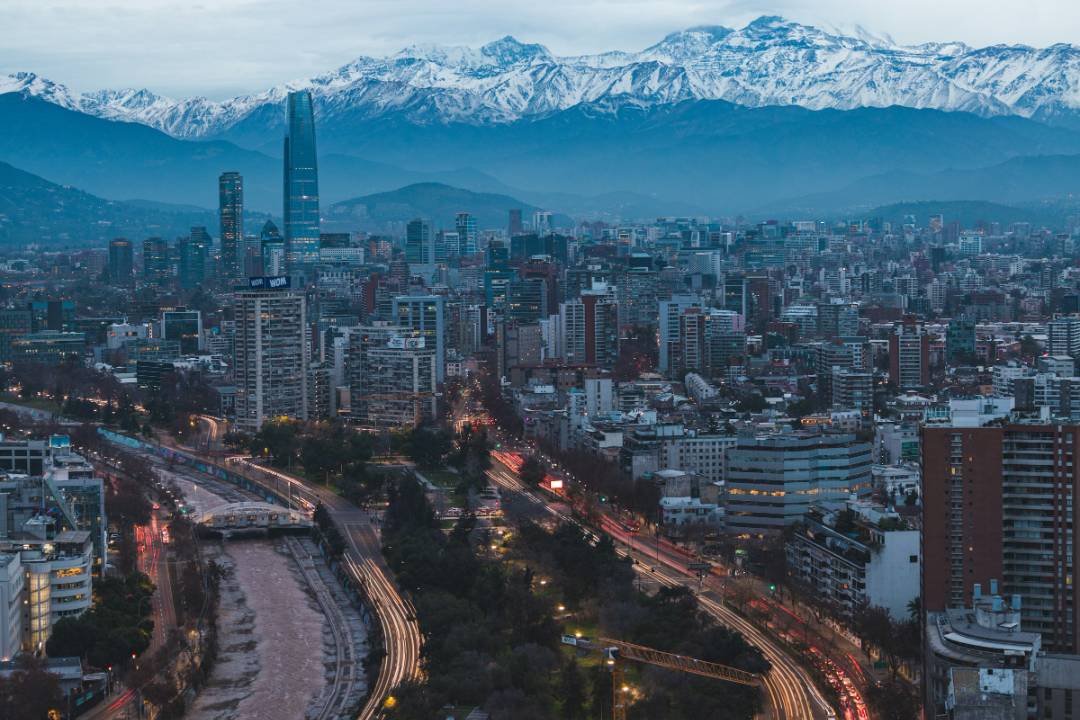

Santiago is a big, contrasting city: modern skyscrapers sit beneath the Andes, which are often snow-covered in winter and after storms, while historic plazas coexist with a 21st-century business and finance scene. Many travelers pass through on their way to Patagonia or the Atacama. But is Santiago worth a visit on its own?
This comprehensive guide is designed to answer that very question. We’ll move beyond the postcard images to give you a balanced and honest look at what it’s like to explore Chile’s capital. From its vibrant neighborhoods and major museums to the practical realities of getting around and managing your budget, this article will provide the information you need to decide if a trip to Santiago is the right adventure for you.
What Is Santiago Known for? A Glimpse into Its Soul
Top Things to Do in Santiago for Every Traveler
1. Ascend Cerro San Cristóbal for Panoramic City Views
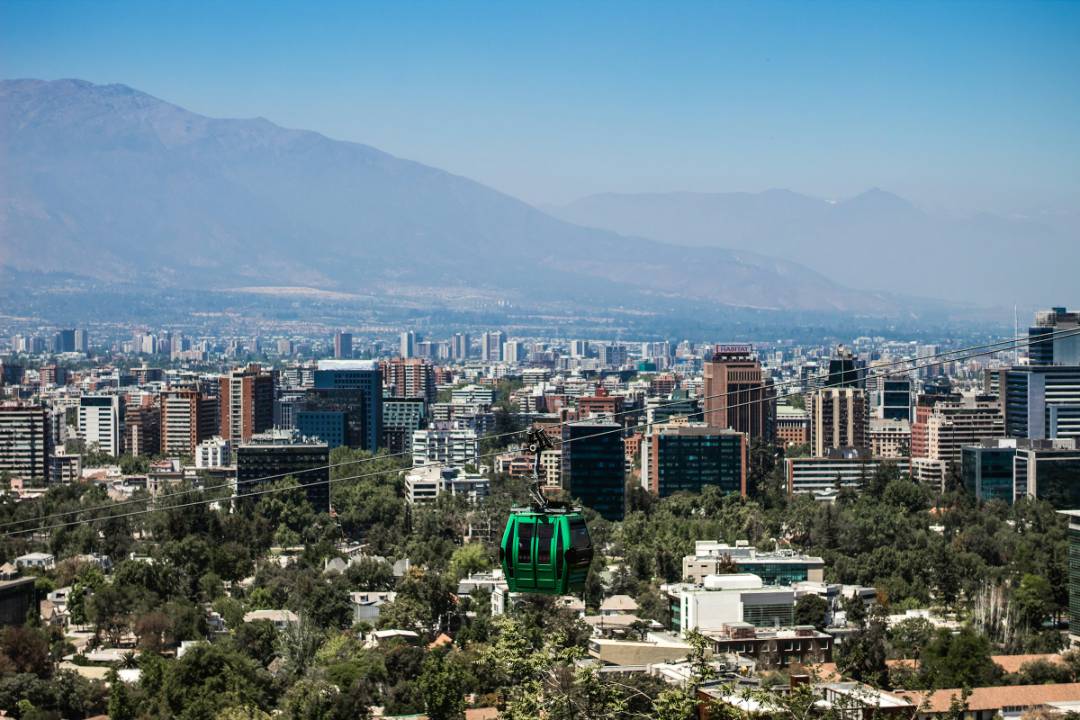
No trip to Santiago feels complete without seeing the city from above. Cerro San Cristóbal is one of the best-known places to do this. The hill forms part of Parque Metropolitano de Santiago, a public park covering more than 700 hectares and ranking among the larger urban parks in the world. From higher areas there are broad views across the city and toward the Andes when visibility is good.
There are several ways to reach the upper areas. The historic funicular was inaugurated in 1925, while cable-car services offer another way to travel through the park. Pedestrians and cyclists also use its roads and trails. At the summit area stands the large statue of the Immaculate Conception. Operating hours, maintenance closures, and ticket arrangements for the funicular and cable cars can change, so check current Parquemet information before visiting.
2. Explore the Historic Heart at Plaza de Armas
Plaza de Armas is the historical center of Santiago and dates back to the city’s foundation in 1541. Important buildings around it include the Metropolitan Cathedral, the Correo Central building, and the Museo Histórico Nacional. Together they reflect different periods of Santiago’s architectural and civic history.
The plaza is also an active public space where locals meet and street activity unfolds throughout the day. Portrait artists, vendors, and occasional performers add to the atmosphere. Nearby streets contain several other historic and cultural attractions, making the area compact enough to explore comfortably on foot.
3. Wander Through the Bohemian Barrios of Lastarria and Bellavista
Two of Santiago’s best-known central neighborhoods sit relatively close together: Lastarria and Bellavista. Lastarria is associated with cafés, independent shops, galleries, restaurants, and cultural venues. Street fairs and small markets also appear in and around the neighborhood, although schedules can vary.
Bellavista is livelier and more colorful, with street art, restaurants, bars, and nightlife. It is home to La Chascona, one of Pablo Neruda’s house museums, which remains open to visitors. Patio Bellavista is another major dining and entertainment complex in the area.
Both neighborhoods are straightforward to explore during the day. Visitors staying out later should use ordinary big-city precautions, keep phones and bags secure, and consider reputable transport for longer journeys after dark.
4. Take a Day Trip to a Vineyard in the Maipo Valley
The Maipo Valley is one of Chile’s traditional wine-producing regions and is especially associated with Cabernet Sauvignon. Vineyards are spread through areas both close to Santiago and farther into the surrounding valley and foothills.
Many wineries offer tours and tastings that can include vineyards, production areas, cellars, and guided sampling. Exact experiences vary by property. Concha y Toro, in Pirque, is one of the best-known options and continues to operate visitor tours.
Smaller wineries may provide more intimate experiences, sometimes with food pairings or meals. Travel time depends heavily on the vineyard selected, so a Maipo visit can range from a relatively short excursion to most of a day.
5. Delve into History at the Museum of Memory and Human Rights
The Museo de la Memoria y los Derechos Humanos documents human-rights violations associated with Chile’s military dictatorship from 1973 to 1990. Exhibitions use photographs, audiovisual material, documents, testimony, and personal objects.
The subject matter is serious, and the museum is designed as a place of memory, education, and reflection. Admission for the general public is currently free.
Visitors should allow enough time to engage with the exhibits rather than treating the museum as a quick sightseeing stop. Current opening days and hours should be checked before visiting.
Places to Visit in Santiago
1. Mercado Central
Mercado Central is a historic food market strongly associated with fish and seafood. Its distinctive central cast-iron structure was fabricated in Glasgow, Scotland, and the market began operating in 1872. The building is now a protected historic monument.
Inside, fish and seafood stalls share the market with restaurants and other businesses. Seafood dishes such as paila marina, fried fish, and different shellfish preparations are among the foods commonly associated with the market.
The experience varies considerably between establishments, so travelers interested in eating there can compare menus and prices before choosing a restaurant.
2. Sky Costanera
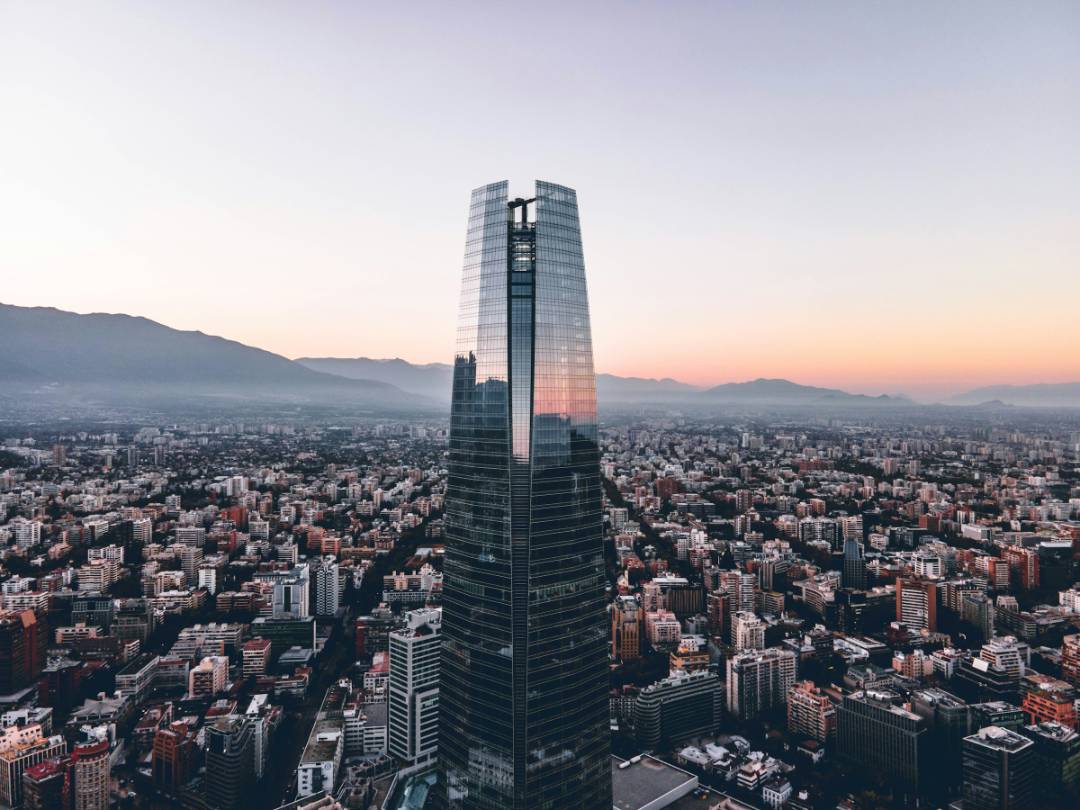
Sky Costanera occupies the upper levels of Gran Torre Santiago, currently the tallest skyscraper in South America. The observation areas are on floors 61 and 62, at around 300 meters above ground level.
The attraction provides 360-degree views over Santiago, the surrounding valley, and the Andes when conditions are clear. Visibility can vary considerably, so checking the weather before buying a ticket can make a substantial difference.
Admission is paid, and rates vary by time slot. Current adult tickets are more expensive around the designated sunset period, so travelers should check current rates before visiting.
3. Centro Cultural La Moneda
Centro Cultural Palacio La Moneda is located beneath Plaza de la Ciudadanía, in front of the presidential palace. The cultural center contains exhibition halls, galleries, the Cineteca Nacional de Chile, shops, and food venues.
Programming changes throughout the year. Many current exhibition spaces offer free admission with advance reservation, although individual exhibitions and events can have their own conditions.
Its central location makes it easy to combine with La Moneda, the historic center, and other downtown attractions.
4. Parque Forestal
Parque Forestal runs alongside part of the Mapocho River and forms a long green corridor through central Santiago. Mature trees shade pedestrian paths used for walking, running, and everyday recreation.
The National Museum of Fine Arts stands beside the park, while Lastarria and Bellas Artes are nearby. Sculptures, monuments, and public spaces appear throughout the park.
It is useful both as a destination in itself and as a walking connection between several central neighborhoods and cultural attractions.
5. Templo Bahá’í de Sudamérica
The Bahá’í Temple of South America stands in the foothills of Peñalolén and opened to visitors in 2016. Its design features nine monumental glass wings with an inner layer of translucent marble, allowing natural light to filter into the central worship space.
Gardens, reflecting pools, and paths surround the temple. The elevated location also offers views over parts of the Santiago basin when visibility is good.
The temple is open to people of all beliefs. General admission is currently free, and individual visitors do not need to book in advance, although current visiting hours and guidelines should be checked before going.
Planning Your Perfect Santiago Vacation
Now that the main sights are clear, it helps to plan practical parts of the trip. Length of stay, transport, and cost matter to most travelers. This section answers common questions and offers simple guidance to build an itinerary.
How Many Days in Santiago Is Enough?
The length of stay depends on what a traveler wants to see. For a quick look, 2-3 days will cover major highlights. One day can focus on the historic center and Cerro Santa Lucía. Another day can include a neighborhood visit and a view from Cerro San Cristóbal.
A stay of 4-5 days feels more relaxed. It allows time for museums, a wine-valley excursion, and potentially a day trip to Valparaíso or Viña del Mar. These coastal cities require substantial travel time, so they work best as dedicated day trips rather than short additions to a Santiago sightseeing day.
For deeper exploration, a week or more gives space for multiple excursions, mountain activities, and slower exploration of different neighborhoods.
Is Santiago Worth Visiting for a Day?
Yes. A single day can offer a strong snapshot of the city. The key is to focus on a compact area to avoid spending too much time in traffic or on public transport.
A straightforward route can start around Plaza de Armas, continue toward Cerro Santa Lucía, and finish with a meal and walk in Lastarria. This combines historic architecture, a city viewpoint, and one of Santiago’s most popular dining and cultural neighborhoods.
For travelers attempting this during a long airport layover, transfer time, immigration, security procedures, traffic, and the return journey to Santiago International Airport should all be included in the schedule.
Is Santiago Walkable?
Parts of Santiago are very walkable. Centro Histórico, Lastarria, Bellas Artes, and sections of Bellavista can be explored comfortably on foot, and parks provide useful pedestrian connections.
However, Santiago is a large metropolitan area, so moving between distant districts normally requires transport. Metro, buses, and Tren Nos are integrated within the Red Movilidad system.
The system accepts the rechargeable bip! card as well as certain QR payment options. Current adult Metro and Tren Nos fares are roughly CLP 735-895 depending on the time of day, while the standard bus fare is around CLP 795. These fares can change, so check Red Movilidad before traveling.
App-based services such as Uber and Cabify also operate in Santiago, with prices and availability depending on distance, traffic, and demand.
Petty theft, pickpocketing, and robberies remain concerns in Santiago, particularly in busy central areas and transport locations. Keep bags and phones secure and maintain normal awareness of your surroundings.
If luggage is a concern when arriving early or leaving late, there is luggage storage available. To explore the city unburdened use Qeepl luggage storage. Qeepl provides locations around Santiago where travelers can leave bags for part of the day. Daily storage costs CL$3,390 per bag, and your luggage is protected by insurance coverage of CL$1,000,000.
Is Santiago Expensive to Visit?
Costs in Santiago vary considerably by travel style. Local food, public transport, and hostels can keep a trip relatively affordable, while international hotels, high-end restaurants, wine tours, and private transportation increase the budget quickly.
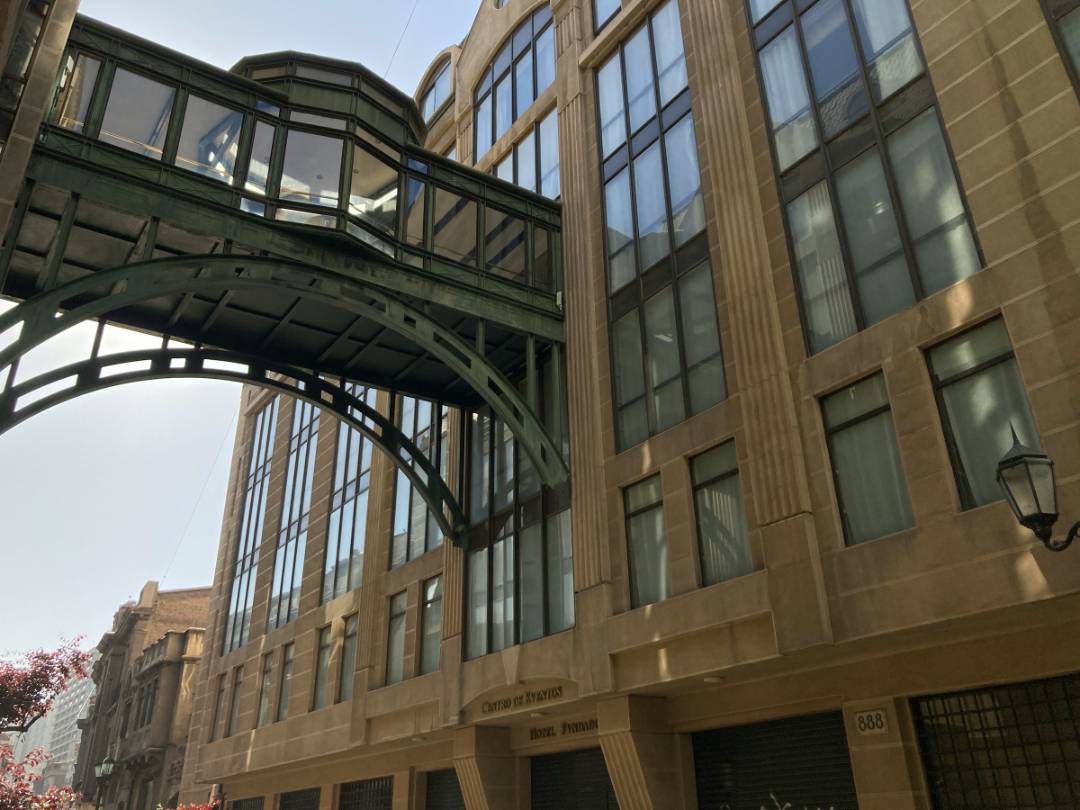
Accommodation
The following ranges are broad estimates. Actual prices vary with season, neighborhood, room type, demand, and taxes.
| Type of Accommodation | Approximate Price Range (Per Night, USD) | Best Options |
|---|---|---|
| Hostels | Approximately $15 - $50 | Hostal Forestal, La Casa Roja Hostel, Guanako Rooftop Hostel |
| Mid-Range Hotels | Approximately $70 - $180 | Hotel Ismael, Hotel Cumbres Lastarria, Carménère Eco Hotel |
| Luxury Hotels | Approximately $180 - $500+ | The Ritz-Carlton Santiago, W Santiago, Mandarin Oriental Santiago |
Food
Dining choices range from inexpensive snacks and traditional sandwich shops to long tasting menus. The ranges below are approximate and can vary substantially with drinks and menu choice.
| Type of Restaurant | Approximate Price Range (Per Person, USD) | Best Options |
|---|---|---|
| Street Food | Approximately $2 - $8 | Sopaipillas, completos, empanadas from street carts or small kiosks |
| Cheap-Eat Spot | Approximately $8 - $20 | Antigua Fuente, La Piojera, various picadas |
| Mid-Range Restaurants | Approximately $20 - $50 | Bocanáriz, Peumayén Ancestral Food, Chipe Libre |
| Luxury Restaurants | Approximately $70 - $200+ | Boragó, 99 Restaurante, Ambrosía |
Trying Chilean foods such as pastel de choclo, empanadas, completos, and traditional sandwiches does not require a high-end restaurant budget.
Transportation
Getting around with public transport is generally one of the less expensive parts of a Santiago trip.
- Metro / Tren Nos: Current adult fares are approximately CLP 735-895 depending on the time of day.
- Bus: The standard adult bus fare is currently around CLP 795.
- Integrated transfers: Red Movilidad allows eligible combinations between buses, Metro, and Tren Nos within a defined transfer period.
- Payment: The bip! card is widely used, and the system also supports certain QR payment methods.
- Ride-sharing: App-based fares vary by distance, traffic, demand, and time rather than following one reliable fixed range.
- Colectivos: These shared taxis follow fixed routes and can be inexpensive, but their routes are less intuitive for first-time visitors.
Attractions
Many public spaces are free, while some major tourist attractions charge substantial entrance fees.
- Free attractions: Plaza de Armas, Parque Forestal, pedestrian access to much of Parque Metropolitano, and the Museum of Memory and Human Rights do not require a general admission fee. Using the funicular or cable cars at Cerro San Cristóbal does cost extra.
- Sky Costanera: Current adult admission is CLP 25,000 during standard hours and CLP 30,000 during its designated sunset period.
- La Chascona: The current 2026 general admission price is CLP 11,000.
- Centro Cultural La Moneda: Many current galleries and exhibitions offer free entry with advance reservation, although programming can change.
- Tourist passes: Santiago does not rely on one universal municipal attraction pass. Private Turistik packages are available, including combinations of the hop-on-hop-off bus, cable car, funicular, panoramic buses, Sky Costanera, or winery visits depending on the package. Compare the included attractions with individual tickets before buying.
Is Santiago Worth Visiting at Christmas?
Christmas in Santiago falls at the beginning of the Southern Hemisphere summer. Expect generally warm weather and long daylight hours, although individual days can vary.

Christmas decorations, lights, special meals, religious activities, shopping events, and seasonal fairs appear around Santiago, but their locations and schedules vary from year to year. Travelers should check the current municipal, cultural, and shopping-center programs rather than expecting a fixed annual Christmas market.
Local holiday foods and drinks include Pan de Pascua, a dense spiced cake usually containing dried or candied fruit and nuts, and Cola de Mono, a sweet coffee-and-spice drink traditionally made with alcohol. Family gatherings are central to the holiday, and warm summer weather means celebrations can extend outdoors.
Some museums, cultural venues, restaurants, and businesses close or operate reduced hours on December 25, so opening times should be checked when planning sightseeing around Christmas Day. December is also a useful season for parks, outdoor dining, and trips toward the coast, provided travelers account for holiday traffic and individual opening schedules.