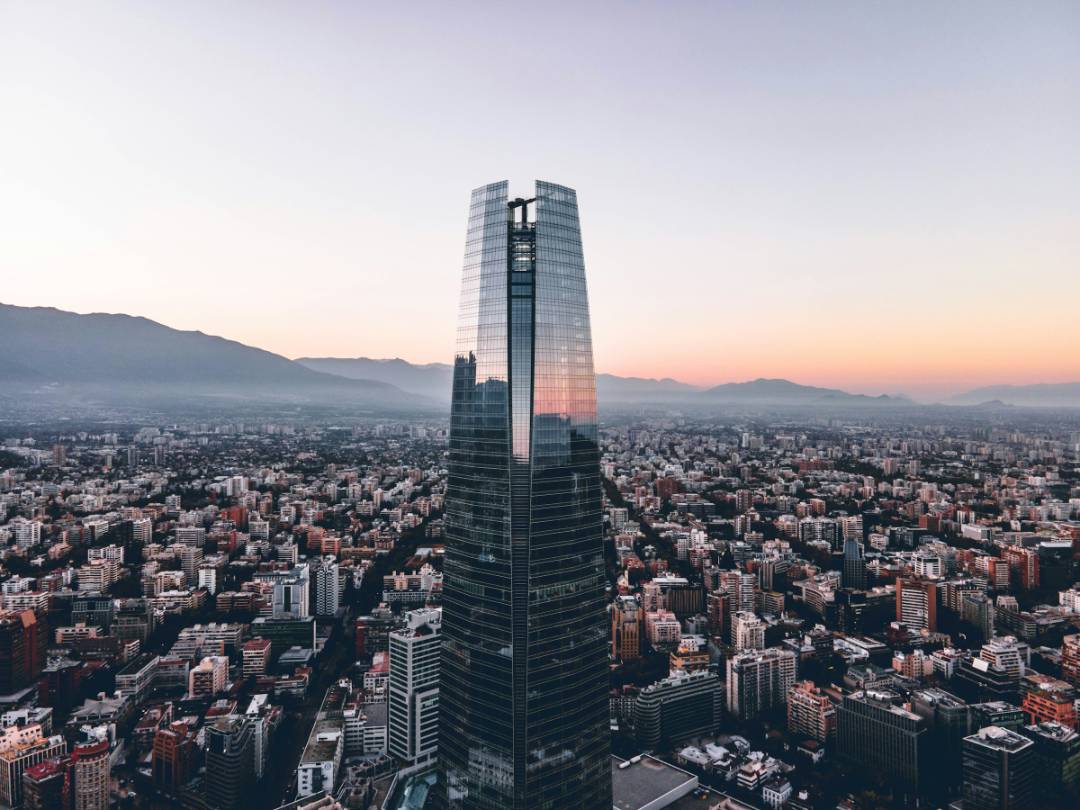

Santiago, the vibrant capital of Chile, is a bustling city known for its stunning Andean backdrop, rich cultural heritage, and modern infrastructure. The city is famous for attractions such as the Plaza de Armas, the historic city center, and the impressive Metropolitan Cathedral. Another must-see is the San Cristobal Hill, which offers panoramic views of the city and is home to the iconic statue of the Virgin Mary. The peak tourist season in Santiago runs from September to November and March to May, when the weather is pleasant and the city is alive with events. Whenever you decide to visit this dynamic city, ensure your belongings are safe with Qeepl, a trusted worldwide luggage storage provider. Qeepl offers storage from CL$3,390 per day, with insurance coverage of CL$1,000,000.
Is Santiago Safe to Travel to Right Now?
As of 2026, Santiago presents a mixed safety environment for tourists. The crime index is 64.1, and the safety index stands at 35.9, according to Numbeo’s latest data. Numbeo also reports a daytime safety index of 55.6 and a nighttime safety index of 23.8. This suggests that while there are safety concerns, tourists can still have a secure visit by taking appropriate precautions. For the most current information, please refer to Numbeo’s crime statistics.
🛡️ Santiago — safety scores
For tourists, as of 2026
Despite its challenges, Santiago remains a popular destination due to its cultural richness and beautiful landscapes. By staying informed and following local safety advice, visitors can navigate the city safely. The local authorities have implemented measures to maintain safety in tourist-heavy areas, ensuring a more secure environment for visitors.
Is Santiago Safe to Visit Alone?
Santiago can be a safe destination for solo travelers who exercise caution. The city’s welcoming atmosphere and numerous attractions offer plenty of opportunities to explore safely. Solo travelers should avoid isolated areas, especially at night, and stay connected with friends or family about their whereabouts. Participating in guided tours and activities can also provide a safer and more enjoyable experience.
For those traveling alone, Santiago offers a wealth of cultural experiences and historical sites. Staying in reputable accommodations and using trusted transportation services are key steps to ensure a secure visit. Engaging with other tourists and locals can enhance the experience and add an extra layer of security.
Is Santiago Safe to Visit for Women?
The safety of female travelers in Santiago requires attention to specific precautions. According to the 2026 Women, Peace and Security Index, Chile scores 0.78, indicating moderate risks. Women should avoid walking alone at night, especially in less populated areas, and should use registered taxis or ride-sharing services.
Women visiting Santiago can enjoy a safe trip by staying in groups, using well-lit and busy areas, and staying aware of their surroundings. The city’s bustling nature requires extra vigilance, especially regarding personal belongings and accepting drinks from strangers. Female travelers should also be cautious about accepting drinks from strangers and be aware of their surroundings in nightlife areas.
Common Crimes and Scams that Tourists Should Be Aware Of
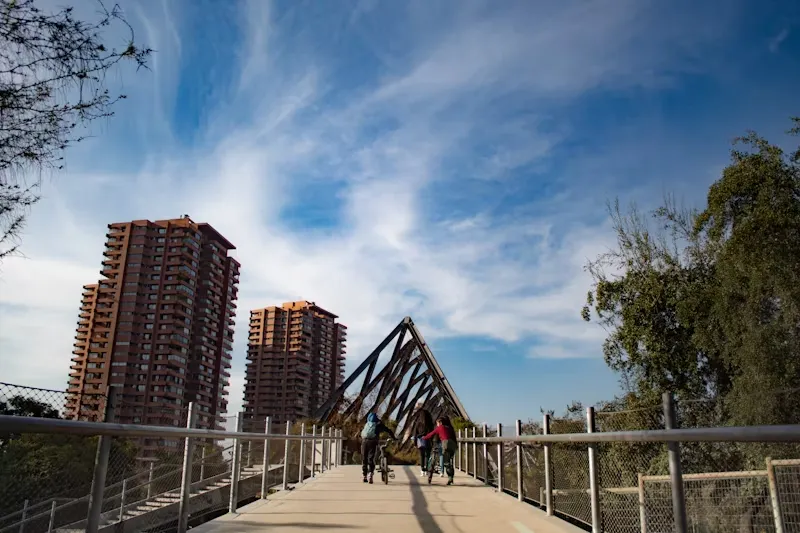
Tourists in Santiago should be aware of common crimes and scams, such as pickpocketing in crowded places and public transport. Overly friendly locals offering unsolicited assistance can sometimes be a ploy for theft. Another common scam involves fake tour guides; it’s advisable to book tours through reputable agencies. Be wary of distractions in busy areas, which are often used by thieves to steal belongings.
Understanding these common scams and staying alert can help tourists avoid potential pitfalls. Keeping valuables secure and being cautious with strangers can greatly enhance your safety during your stay. Tourists should also be cautious of offers for unofficial tours or services, which can sometimes be fraudulent.
Is Santiago’s Public Transportation Safe?
Public transportation in Santiago is generally safe, though tourists should remain cautious. Pickpocketing can occur on buses and the metro, especially during busy times. Here are some basic tips to ensure safety:
Avoid traveling during peak hours to minimize the risk of theft. Keep personal belongings close and secure. Use registered taxis or ride-sharing services for added security.
Using these tips can help ensure a smooth and secure journey on Santiago’s public transportation. Familiarizing yourself with the local transport routes and schedules beforehand can help you navigate the city more confidently. Additionally, using well-known bus and metro lines can add an extra layer of safety.
The Safest Neighborhoods
Providencia
Providencia is one of the safest and most upscale neighborhoods in Santiago. Known for its elegant streets, high-end shopping, and cultural attractions, it offers a secure environment for both tourists and residents. The area is well-policed and offers a vibrant atmosphere with many parks and restaurants. Providencia’s blend of modernity and tradition makes it an ideal location for visitors.
Las Condes
Las Condes is another safe neighborhood, famous for its modern skyscrapers, luxury hotels, and shopping centers. The area is popular with both tourists and locals, offering a lively and secure environment. Las Condes’ family-friendly atmosphere and lower crime rate make it a favorite among visitors, with regular police patrols enhancing its safety. The neighborhood’s amenities and variety of activities ensure a pleasant stay for tourists.
Vitacura
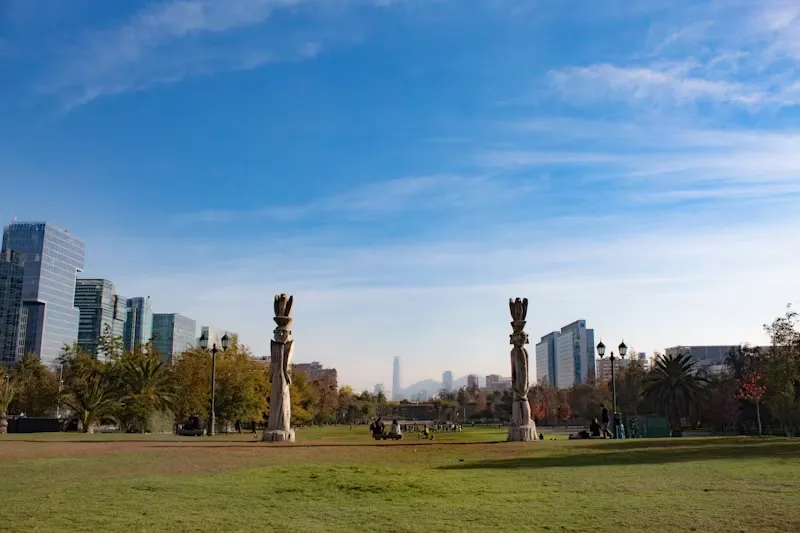
Vitacura is a quiet and safe area known for its green spaces and upscale residences. It is a great spot for families and those looking to escape the hustle and bustle of more crowded areas. The neighborhood’s remote location and smaller tourist crowds contribute to its safety and tranquil environment. Vitacura’s modern amenities and serene atmosphere make it an ideal destination for those seeking relaxation.
What Areas of Santiago Should Be Avoided?
La Pintana
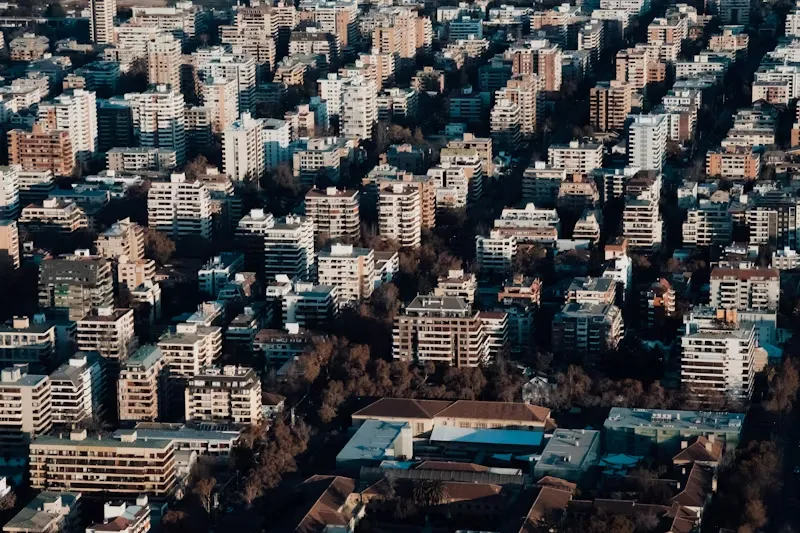
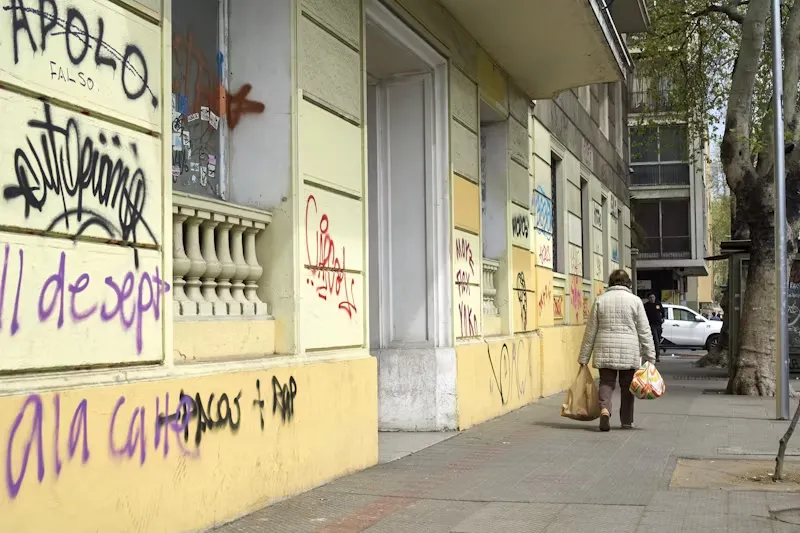
La Pintana is known for its higher crime rates compared to other parts of Santiago. Tourists should exercise caution and avoid this area, particularly after dark. The increased risk of petty theft and other crimes makes it less suitable for visitors. The neighborhood’s concentration of residential buildings attracts a large crowd, which can lead to safety concerns.
San Ramon
San Ramon, while developing, has higher crime rates than other neighborhoods. Tourists should be vigilant, especially at night, and avoid less populated streets. The neighborhood’s busy environment can increase the risk of theft and other crimes. Opting for more secure neighborhoods is recommended for a safer stay.
El Bosque
El Bosque, although offering a unique local experience, also has a reputation for higher crime rates. Tourists should exercise caution, particularly during late hours. The area’s popularity with locals can lead to increased incidents of theft and other minor crimes. Being aware of your surroundings and securing personal belongings can help mitigate risks.
Important Emergency Numbers in Santiago
For emergencies in Santiago, keep the following important telephone numbers handy:
- Police: 133
- Fire Department: 132
- Medical Emergencies: 131
For more emergency contact information, refer to ATM Fee Saver. Having these numbers readily available can ensure prompt assistance in case of any emergencies, contributing to a safer and more secure travel experience.
FAQ
Is it safe to walk in Santiago at night?
Walking in Santiago at night requires caution and awareness. According to Numbeo data, the nighttime safety index is 23.8, indicating significant safety concerns after dark. It’s advisable to avoid less populated areas and stick to well-lit, busy streets in safe neighborhoods like Providencia, Las Condes, and Vitacura. Solo travelers, especially women, should use registered taxis or ride-sharing services instead of walking at night. If you must walk, stay in groups, remain alert to your surroundings, and keep valuables secure to minimize risks.
Where to avoid in Santiago, Chile?
Tourists should exercise caution or avoid certain neighborhoods in Santiago known for higher crime rates. La Pintana has elevated crime levels and should be avoided, particularly after dark, due to increased risks of petty theft. San Ramon, while developing, also has higher crime rates and requires vigilance, especially at night on less populated streets. El Bosque, despite offering authentic local experiences, has a reputation for higher crime rates during late hours. Instead, focus your visit on safer neighborhoods like Providencia, Las Condes, and Vitacura, which offer better security and are well-suited for tourists.
Which is safer, Santiago or Buenos Aires?
Both Santiago and Buenos Aires present similar safety challenges for tourists, with concerns about pickpocketing and petty theft in crowded areas. Santiago has a crime index of 64.1 and a safety index of 35.9, indicating moderate safety concerns. Both cities require tourists to exercise caution, particularly at night and in less secure neighborhoods. The safety of your visit largely depends on which neighborhoods you choose, the precautions you take, and your awareness of common scams. Both cities have safe, upscale areas and regions to avoid, making preparation and vigilance key to a secure trip.
Which is safer, Chile or Argentina?
Both Chile and Argentina are generally safe for tourists, but they present different safety profiles. Chile, including Santiago, has a crime index of 64.1 with moderate safety concerns, particularly regarding pickpocketing and theft in urban areas. Argentina’s major cities like Buenos Aires face similar challenges. Overall, both countries are welcoming to tourists, and safety largely depends on which specific cities you visit and the precautions you take. Staying in safe neighborhoods, avoiding isolated areas at night, and remaining vigilant can ensure a secure visit to either country.
What is the safest city in Latin America?
While safety rankings vary by source and year, several Latin American cities consistently rank among the safest, including certain areas of Chile, Uruguay, and Costa Rica. Cities like Montevideo (Uruguay) and various Costa Rican cities often score well on safety indices. Within Chile, neighborhoods in Santiago such as Providencia, Las Condes, and Vitacura are considered among the safer urban areas in the region. However, safety is relative and can change, so it’s essential to consult current crime statistics and travel advisories when planning your trip to ensure you have the most up-to-date information.
Can you wear shorts in Santiago?
Yes, you can wear shorts in Santiago, especially during the warmer months from September to November and March to May, which are peak tourist seasons. The city has a Mediterranean climate with warm, dry summers where shorts are perfectly acceptable and comfortable. However, Chileans tend to dress more conservatively than in some other countries, so you’ll notice locals often wear long pants even in warm weather. For visiting churches, upscale restaurants, or business settings, more formal attire is appropriate. In casual settings, tourist areas, and outdoor activities, shorts are completely acceptable and practical for exploring the city.