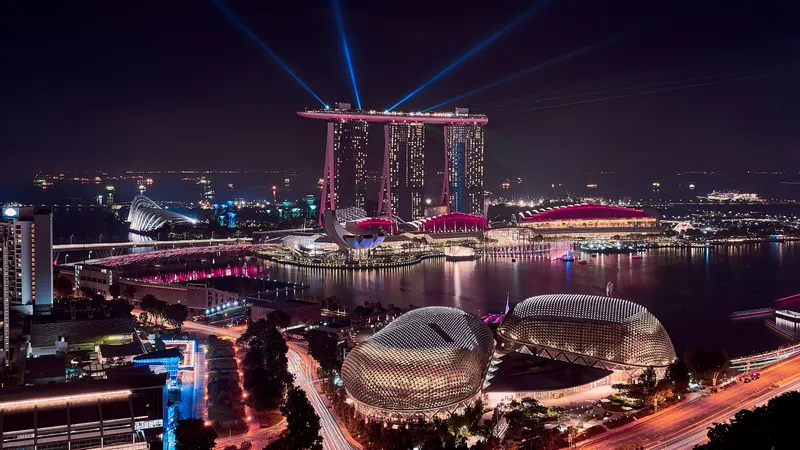
Singapore is a dynamic city-state known for its modern skyline, lush gardens, and diverse cultural experiences. As a year-round destination, it offers something for every traveler, from high-end shopping to vibrant street food markets and world-class attractions like Marina Bay Sands and Sentosa Island. However, choosing the right time to visit can enhance your trip, helping you plan around the weather, major events, and periods of higher demand.
All You Need to Know About Climate in Singapore
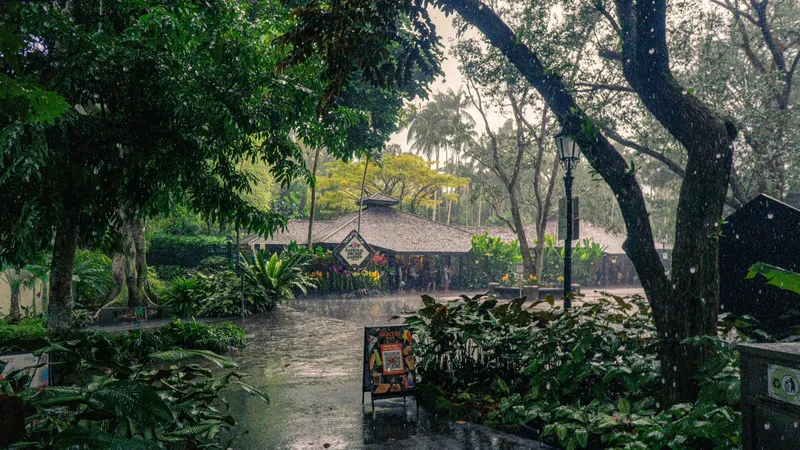
Singapore has a tropical rainforest climate, meaning it is hot, humid, and rainy throughout the year. Temperatures vary relatively little, with daytime highs generally around 31–33°C (88–91°F) and nighttime lows around 23–26°C (73–79°F).
There are two main monsoon seasons: the Northeast Monsoon from December to early March and the Southwest Monsoon from June to September. The wet phase of the Northeast Monsoon usually occurs from December to early January, while February is climatologically the driest month. Singapore also experiences inter-monsoon periods from late March to May and from October to November, when afternoon and evening thunderstorms are common.
Rain falls throughout the year, with November to January generally the wettest period. Humidity also remains high year-round, with an annual average of around 82%. Direct impacts from tropical cyclones are uncommon, although storms elsewhere in the region can indirectly influence Singapore’s weather.
For up-to-date weather forecasts, check the Singapore weather forecast.
Best Time to Visit Singapore for Flawless Weather
High Season
Singapore does not have one strictly defined high season. Visitor demand can increase around Chinese New Year, school holidays, major international events, and the Christmas and New Year period.
Chinese New Year falls in January or February and brings festive lights, celebrations, and events such as Chingay and River Hongbao. Singapore Art Week is held in January, while major shopping promotions such as the Great Singapore Sale typically take place around May and June.
Flights and hotels can become more expensive around major holidays and events, so booking ahead is advisable for popular dates.
Shoulder Season
Singapore also does not have a fixed shoulder season, but periods outside major holidays, school breaks, and large events can offer a more relaxed experience.
April and May are hot inter-monsoon months with frequent afternoon thunderstorms, while parts of the second half of the year can also be relatively calm between major events. Attractions such as Universal Studios Singapore, Merlion Park, and local hawker centers remain accessible year-round.
Deepavali, usually celebrated in October or November, brings festive decorations and cultural activities to Little India, although its date changes each year.
Low Season
Singapore does not have a consistently defined low season based on weather alone. July to September should not automatically be considered the rainiest or quietest period, as the Southwest Monsoon is climatologically drier than the wetter November-to-January period.
Visitor numbers and accommodation prices depend heavily on school holidays, conferences, concerts, and major events. National Day in August and the Singapore Grand Prix, usually held in September or October, can significantly increase demand.
Indoor attractions such as the National Gallery, ArtScience Museum, shopping malls, and museums make Singapore easy to explore even during rainy weather.
Most Crowded Months in Singapore
Singapore does not have a reliable fixed set of most crowded months. Visitor numbers fluctuate according to school holidays, international events, major festivals, and travel demand from the city’s key overseas markets.
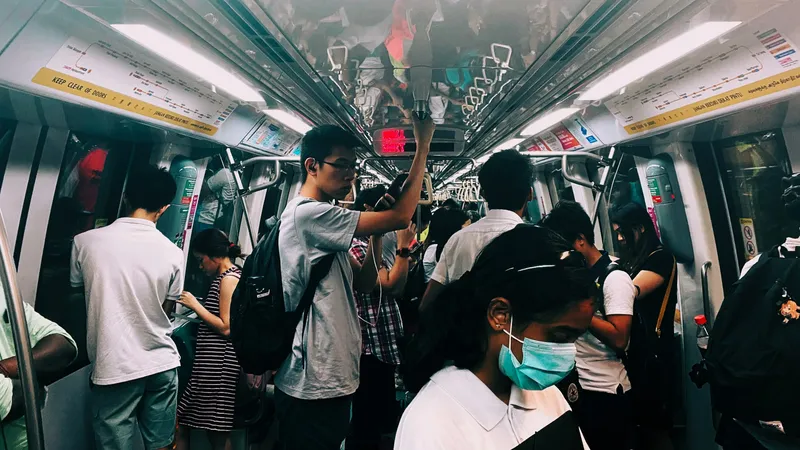
Periods around Chinese New Year, major school holidays, the Singapore Grand Prix, and Christmas and New Year can be particularly busy. Travelers seeking fewer crowds should check the event calendar rather than relying only on a specific month.
Best Time for Top Activities in Singapore
Outdoor Adventures
Outdoor activities are possible year-round, but February and parts of March are climatologically relatively drier. Early mornings and late afternoons are generally more comfortable for hiking at MacRitchie Reservoir, cycling at East Coast Park, or visiting Sentosa’s beaches, as midday conditions can be hot and humid.
Rain and thunderstorms remain possible in every month, so flexible plans are useful.
Cultural Experiences
Singapore’s cultural calendar is active throughout the year. Chinese New Year usually falls in January or February, while Deepavali is celebrated in October or November. Hari Raya Puasa follows the Islamic calendar and therefore shifts earlier each year.
The Singapore Food Festival is another major culinary event, but its dates vary rather than always falling in July. Travelers should check the current year’s programme before planning a trip around it.
Budget-Friendly Travel
There is no single guaranteed cheapest season in Singapore. Travelers looking to save money should consider dates outside major holidays, school breaks, Formula 1 weekend, and large international events. Hotel and flight prices can vary significantly depending on demand.
Comparing exact dates and traveling mid-week can sometimes provide better value.
Tips for Getting the Best Out of Your Trip
Packing for the weather is essential in Singapore. Lightweight, breathable clothing is best for the hot and humid climate. Carrying a compact umbrella or lightweight rain jacket is useful for sudden showers, while sunscreen and comfortable walking shoes are recommended year-round.
If you arrive before check-in, have time after check-out, or want to explore without carrying your bags, Qeepl offers luggage storage locations in Singapore. Storage costs SG$5.19 per item per day, and luggage is protected by insurance coverage of SG$1,400.
Respecting local customs and regulations will enhance your experience. Avoid littering and follow posted rules in public spaces. The import and sale of ordinary chewing gum are heavily restricted, although simply chewing gum is not generally prohibited. Tipping is not traditionally expected in Singapore, though an additional tip for good service may be appreciated. On public transport, let passengers exit before boarding and give priority seats to those who need them.