
Copenhagen is one of Europe’s most charming capitals, offering a mix of history, modern design, and a relaxed atmosphere. Choosing the right time to visit can make a big difference in your experience. Depending on the season, you can enjoy long summer days, colorful autumn landscapes, or cozy winter charm.
All You Need to Know About Climate in Copenhagen
Copenhagen has a temperate maritime climate, meaning mild summers, cool winters, and rainfall throughout the year. The warmest months are July and August, with average temperatures around 20°C (68°F). Winters are cool, with average temperatures around 2°C (36°F) in the coldest part of the season and nights sometimes falling below freezing.
Rain is spread throughout the year, with relatively wet periods in summer and autumn. Snowfall is possible in winter, though it often does not last long. Windy days are common, especially near the harbor. Summer brings very long daylight hours, with up to about 17.5 hours of daylight, while winter days are much shorter.
For up-to-date weather details, check the Copenhagen weather forecast.
Best Time to Visit Copenhagen for Flawless Weather

High Season
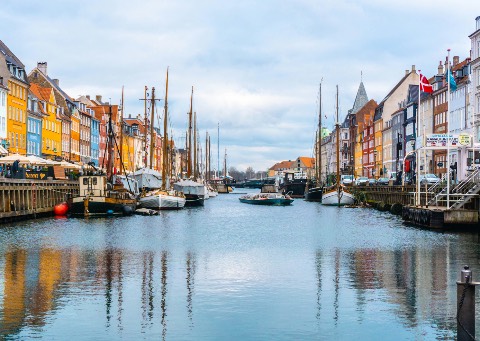
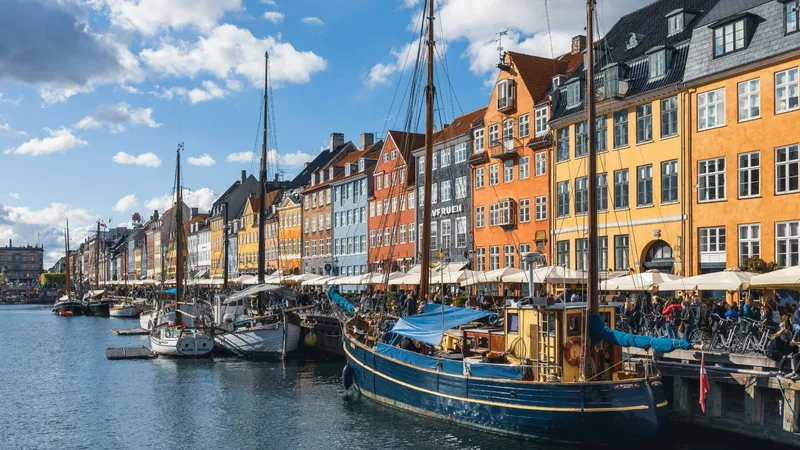
The high season generally runs from June to August, when Copenhagen enjoys its warmest weather and long daylight hours. This is a popular time to explore Tivoli Gardens, Nyhavn, and the Little Mermaid statue. Locals and tourists enjoy outdoor cafes, bike rides, and canal tours.
Summer is also festival season, featuring events like the Copenhagen Jazz Festival in July and Copenhagen Pride in August. The city is at its liveliest, but accommodation can be more expensive and popular attractions more crowded. Booking ahead is advisable.
Shoulder Season
The shoulder season generally includes April to May and September to October, offering milder weather and fewer visitors than peak summer. Spring brings blooming flowers and longer days, while autumn covers the city in golden leaves.
Accommodation can offer better value than during summer, and restaurant reservations may be easier to secure. Events like Kulturnatten (Culture Night) in October offer a unique way to experience the city’s cultural institutions.
Low Season
The quieter season generally runs from November to March, outside the Christmas and New Year period. Temperatures drop and the days become shorter, but winter brings Christmas markets, festive lights, and seasonal ice skating.
January and February are typically among the quieter months and are well suited to indoor attractions such as museums, historic sites, and cafes. Flights and hotels can offer better value outside major holidays, although some seasonal attractions operate on reduced winter schedules.
Most Crowded Months in Copenhagen
The busiest period is generally June, July, and August, when visitors arrive for summer holidays, festivals, and long days. Streets, restaurants, and major attractions can be particularly busy.
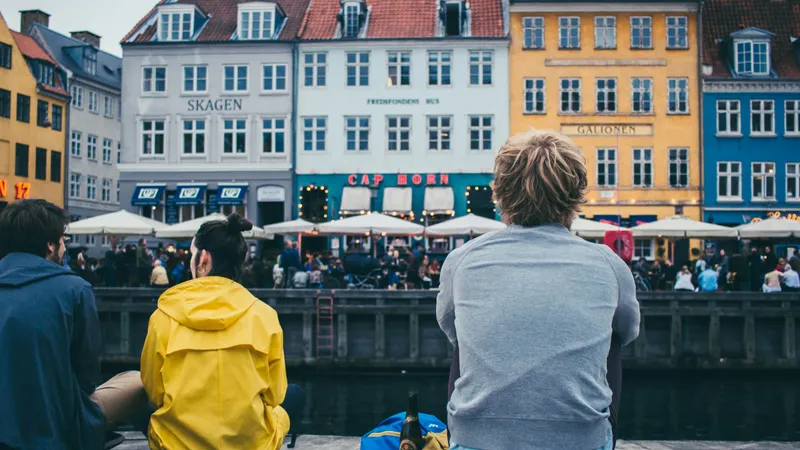
January and February are generally among the quieter months. November can also be relatively calm before the Christmas season becomes busier, making these periods suitable for travelers who prefer fewer crowds.
Best Time for Top Activities in Copenhagen
Outdoor Adventures
The best time for hiking, biking, and nature walks is generally from May to September, when the weather is milder and the days are longer. Dyrehaven deer park and Amager Strandpark beach are popular options. Spring and early autumn can also provide pleasant conditions for exploring the city on foot or by bike.
Cultural Experiences
Autumn and early winter offer a busy cultural calendar, including Culture Night in October and Christmas markets from November into December. Museums, galleries, theaters, and other cultural attractions remain active throughout the year.
Budget-Friendly Travel
Travelers looking to save money can consider November to March, particularly January and February and dates outside Christmas and New Year. Flights and accommodation may offer better value during quieter periods. Traveling mid-week and avoiding major events can also help reduce costs.
Tips for Getting the Best Out of Your Trip
Packing for Copenhagen depends on the season. In summer, light layers, sunglasses, and comfortable walking shoes are useful. In winter, a warm coat, gloves, and waterproof footwear help with cold, damp, and windy weather. Spring and autumn require a mix of warm and waterproof clothing.
If you arrive before check-in, have time after check-out, or want to explore without carrying heavy bags, Qeepl offers luggage storage locations in Copenhagen. Storage costs €3.59 per item per day, and luggage is protected by insurance coverage of €1,000.
Respecting local customs and etiquette enhances the experience. Punctuality and politeness are valued, and cyclists should always follow local traffic rules and pay close attention to bike lanes. Tipping is not mandatory because service is normally included in the bill, although rounding up or leaving a tip for particularly good service is appreciated.