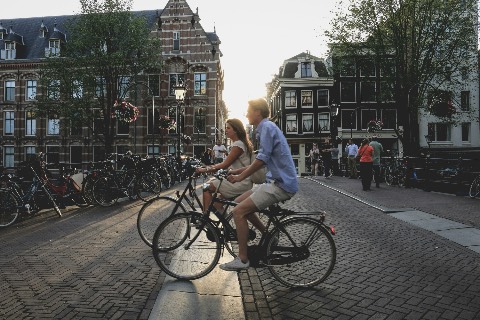

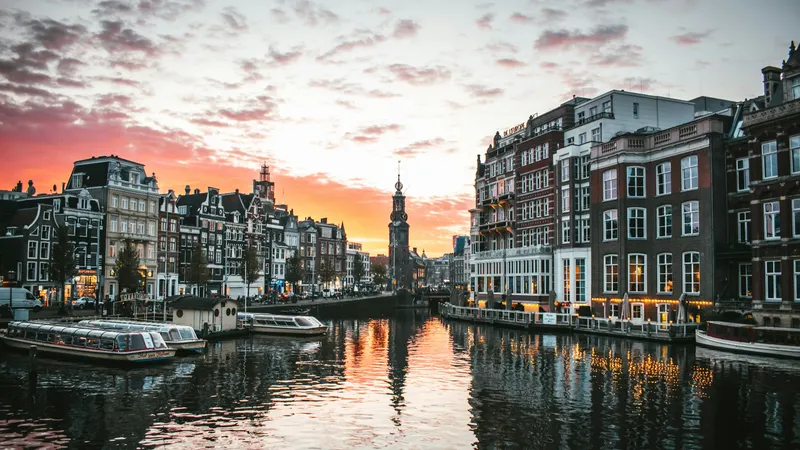
Amsterdam, the capital of the Netherlands, is famous for its canals, historic buildings, and lively culture. Known as the “Venice of the North,” it has many attractions, including the Rijksmuseum, Van Gogh Museum, and the Jordaan neighborhood. Visiting at the right time can make your trip even better, as the city’s weather, crowd levels, and events change throughout the year.
All You Need to Know About Climate in Amsterdam
Amsterdam has a temperate maritime climate, characterized by relatively mild summers and cool winters. Rain can occur throughout the year, so carrying a light waterproof layer is useful in any season. Temperatures are generally moderate, with the warmest months, July and August, averaging around 22°C (72°F) during the day.
Spring (March to May) gradually becomes milder, with cool conditions in March giving way to warmer days in May. Tulips bloom across Amsterdam and the surrounding flower-growing region during spring, with late April and early May being especially popular for flower-focused trips. Summer (June to August) is the warmest season, with long daylight hours and typical daytime temperatures around 20–22°C (68–72°F), although warmer spells are possible.
Autumn (September to November) begins relatively mild before becoming cooler and wetter later in the season. Golden foliage adds color to the canals and parks, while shorter days and changing weather make layers and waterproof clothing useful. Winter (December to February) is cool, with daytime temperatures generally in the single digits Celsius, occasional frost, and festive decorations during the holiday period.
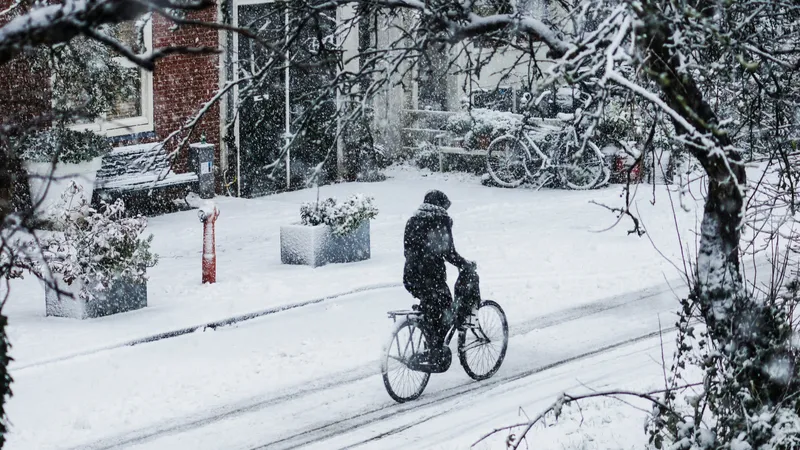
Precipitation is possible in every season, and conditions can change quickly. Snow occurs occasionally in winter but is not guaranteed. For the latest weather updates in Amsterdam, check the Met Office’s Amsterdam forecast.
Best Time to Visit Amsterdam for Flawless Weather
High Season
Amsterdam does not have an official fixed tourism-season classification, but visitor numbers are generally high from late April through August, with particularly busy periods around spring events and the summer holidays. The weather during late spring and summer is usually mild, with the warmest months reaching average daytime temperatures of around 22°C (72°F).
These conditions are well suited to walking along the canals, exploring outdoor markets, visiting parks, and cycling through the city.
Major events such as King’s Day in late April and Pride Amsterdam, generally held around late July and early August, can draw especially large crowds. Summer is also a popular time for festivals and outdoor activities. Accommodation prices can rise and major attractions such as the Anne Frank House and Van Gogh Museum may sell out, so advance booking is advisable.
Shoulder Season
The shoulder periods are generally March to mid-April and September to October. These months can offer a balance between manageable visitor numbers and relatively comfortable weather.
Early spring brings the beginning of the flower season, while autumn features colorful foliage and an active cultural calendar. September can still feel mild, while October is cooler and more changeable.
These periods can suit travelers looking for a quieter experience than peak summer, although major museums remain popular throughout the year and timed-entry tickets may still need to be booked in advance. Events such as the Amsterdam Dance Event in October add to the city’s cultural calendar.
Low Season
The quieter travel period generally runs from November through February, particularly in January and February. Weather is colder, daylight hours are shorter, and rain is common.
There are important exceptions. The Christmas and New Year period can be busy, while major winter events also attract visitors. The Amsterdam Light Festival typically runs from late November into January, bringing light installations to the canals and other parts of the city.
Indoor attractions such as the H’ART Museum, Rijksmuseum, Van Gogh Museum, and the city’s cafés provide plenty to do during colder weather. Hotel and airfare prices can sometimes be lower during the quieter winter periods, especially outside holidays and major events.
Most Crowded Months in Amsterdam
Visitor numbers are generally highest from late spring through summer, particularly around major holidays, events, and the July–August holiday period. Late April can also be exceptionally busy because of King’s Day and the spring flower season. During peak periods, popular areas such as Museumplein, Dam Square, and the historic canal district can become very crowded, while accommodation availability may tighten quickly.
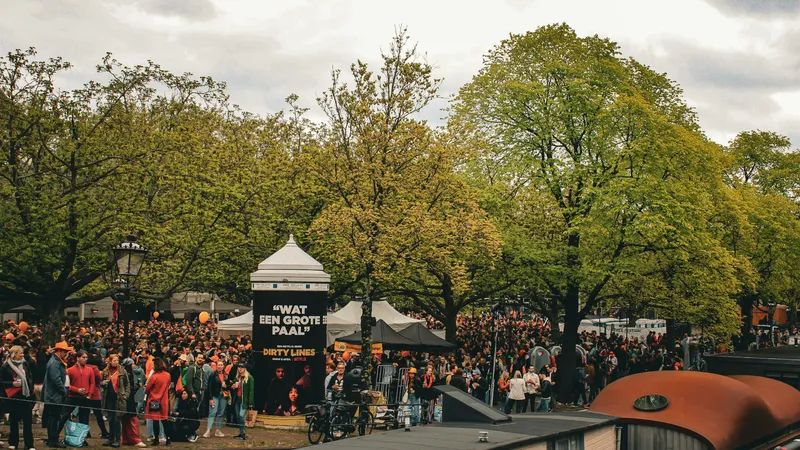
January and February are generally among the quieter months for tourism, outside special events and holiday periods. This can make them attractive for visitors who prefer a calmer city experience, although winter weather is colder and wetter.
Best Time for Top Activities in Amsterdam
Outdoor Adventures
The most comfortable period for outdoor activities is generally April to September, although Amsterdam’s changeable weather means rain is possible at any time. Cycling through the city’s neighborhoods, taking canal cruises, walking through the historic center, or spending time in Vondelpark are particularly popular during the milder months.
Spring is especially appealing for flowers, while summer provides the longest daylight hours. Early autumn can also be pleasant for outdoor sightseeing.
Cultural Experiences
Amsterdam’s cultural calendar is active year-round, but spring and autumn include several major events. Spring brings tulip-related activities and King’s Day celebrations, while autumn includes Amsterdam Dance Event in October and Museum Night in November.
Museums and cultural venues such as the Anne Frank House, Rijksmuseum, Van Gogh Museum, Concertgebouw, and H’ART Museum can be visited throughout the year. Popular attractions often use timed admission, so booking ahead is recommended regardless of season.
Budget-Friendly Travel
For budget-conscious travelers, November through March can often provide better-value accommodation than peak spring and summer, particularly in January and February. Prices still vary significantly around Christmas, New Year, conferences, festivals, and other major events.
Indoor attractions such as the Van Gogh Museum and the Stedelijk Museum remain open year-round, making winter a practical option for travelers focused on museums, cafés, and cultural activities.
Tips for Getting the Best Out of Your Trip
Packing for Amsterdam depends on the season. In spring and summer, lightweight layers, comfortable shoes, and a waterproof jacket are useful. During autumn and winter, warmer layers, a scarf, and water-resistant footwear will help with cooler and wetter conditions. Because showers can occur throughout the year, it is useful to keep rain protection with you.
If you arrive before hotel check-in, have time after check-out, or need somewhere to leave your bags between transport connections, Qeepl offers luggage storage locations in Amsterdam. Storage costs €6.69 per item per day, and luggage is protected by insurance coverage of €1,000.
Finally, respecting local customs will enhance your experience. Stay out of bicycle lanes when walking and look carefully before crossing them, as cyclists often travel quickly and have dedicated space on many streets. A friendly “Hallo” or “Goedemorgen” is an easy way to greet people. Taking time to explore different neighborhoods, museums, canals, and local businesses will help you experience more of Amsterdam beyond its busiest attractions.